Skip to content
Anandoham Health
For people with a practice

A psychologist for people with a spiritual life

Book a first call 20 minutes, ₹299, credited to your first full session.
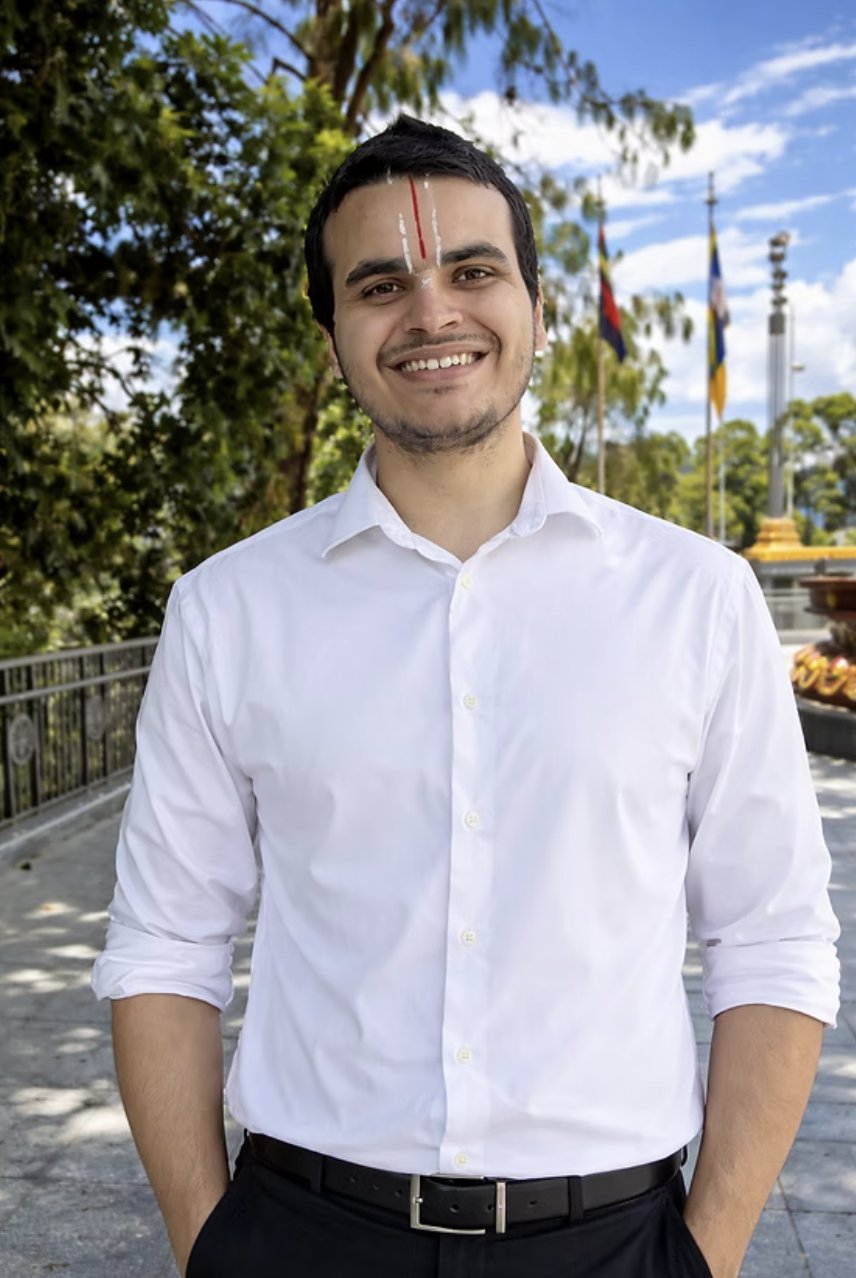
Portrait of Devdarshan Bastola, GMBPsS

Some people come to therapy with a practice already in their life: a mantra, a teacher, years with the Gītā or the Upaniṣads. They want a psychologist who takes that seriously and can work inside it.

A common reason people write to Dev: they have studied these ideas for years and find they cannot apply them when life becomes hard.

Devdarshan Bastola is a psychologist (GMBPsS) trained in the UK, with over nine years of study in Vedānta and Yoga. The sessions are ordinary psychological work first: understanding what is happening, how it began and what keeps it going. The tradition comes in where it helps: the Gītā on action and its results, Patañjali on the afflictions of the mind, prāṇāyāma and meditation taught step by step.

Who comes

  • People who know the teaching and cannot live it when things go wrong
  • People for whom meditation has stopped working, or never worked
  • People whose earlier therapy helped the symptoms and left the larger questions alone

You do not need to be Hindu. Nothing devotional is asked of you.

Reviews

In their own words

5.0
Based on 13 Google reviews Read them on Google

Shri Devdarshan is one of the best and honest counsellor I have met. He is very kind and a humble person and his counseling sessions were lovely and peaceful.

SiD
Google · 2026

Had a very positive experience with Dr Dev, I felt listened to and supported from the very first session. Highly recommended.

Nilanjana Gurung
Google · 2026

Excellent service and counseling. I have witnessed positive change and improvement in my spouse. Thank you.

PEMA SHERPA
Google · 2026

Practical questions

Is this Vedic, or Dharmic, counselling?

Yes, if that is what you are looking for. The clinical tools are the ones any good therapist uses: CBT, ACT, person-centred and Gestalt work. Around them sits a Vedic, or Dharmic, way of understanding a person, drawn from the Bhagavad Gītā, Vedānta and the Yoga Sūtras: the guṇas, the kleśas, and the question of how to live, not only how to feel better. People come to it from India and from abroad, some after years of Western therapy, some with no interest in the tradition at all. Nothing devotional is asked of you.

Do I need to be religious, or interested in the Gītā?

No. The clinical tools are evidence-based and entirely secular in application — CBT, ACT, Person-Centred and Gestalt. Vedic frameworks may inform how your patterns are understood, and no practice or belief is ever required of you. Plenty of clients have no interest in that side of it at all.

What actually happens in a first session?

We spend most of it on what brought you here and what you have already tried. Towards the end we agree what the work would involve and whether it is a fit. You will usually leave with one practice to try before we next speak. There is no assessment battery and no diagnosis handed down.

All questions →

This page describes how therapy is approached here. It is not a diagnosis and it is not a substitute for urgent care. If you are in immediate distress or thinking of harming yourself, please contact Tele-MANAS on 14416 (India, free, 24/7), or your local emergency services.